
Testosterone Therapy Guide: Andropause & Treatment
Men's Health, Testosterone Replacement Therapy, Andropause
Testosterone Replacement Therapy in Australia: A Practical Guide to Andropause, Testing and Safe Treatment
Feeling tired, flat or not quite like yourself? This guide explains what andropause really is, how to test for low testosterone, the latest on safe testosterone replacement therapy (TRT) in Australia, and where lifestyle and targeted supplements can support better long‑term health.
What Is Andropause and Why Does Testosterone Matter?
Andropause, sometimes called “male menopause”, describes the gradual decline in testosterone that many men experience from their late 30s and 40s onward. Unlike the sudden hormonal shift women face in menopause, male hormone changes are slower and often missed or written off as “just getting older”.
Testosterone is not just about sex drive or the gym. It plays a central role in:
Energy, motivation and drive to get things done
Muscle mass, strength and recovery from exercise or daily activity
Libido, erectile function and overall sexual satisfaction
Mood, confidence, focus and memory
Bone density and long‑term fracture risk
Fat distribution and metabolic health
When testosterone drops too low, it can undermine both day‑to‑day quality of life and long‑term health and longevity.
Common Symptoms of Low Testosterone (Andropause)
Low testosterone can show up in subtle ways at first, then gradually build. Many men search phrases like “why am I tired all the time male” or “low libido causes men” without realising hormones may be at the root.
Physical Symptoms
Persistent fatigue and low energy, even after rest
Loss of muscle mass and strength, harder to maintain tone
Increased body fat, particularly around the abdomen
Slower recovery from exercise or everyday exertion
Mental, Emotional and Sexual Symptoms
Brain fog, poor concentration and forgetfulness
Low motivation, reduced drive and a sense of “flatness”
Irritability, low mood or depressive symptoms
Reduced confidence and self‑esteem
Low libido, weaker erections and fewer morning erections
📌 Key Takeaway: These symptoms often overlap with stress, poor sleep and ageing. That is why proper hormone testing is essential rather than guessing.
What Causes Low Testosterone?
Testosterone naturally declines by about 1% per year after age 30, but lifestyle and health factors can accelerate this drop. Common contributors include:
Chronic stress and elevated cortisol, which suppress hormone production
Poor sleep or sleep apnoea, which can significantly reduce testosterone
Metabolic issues such as insulin resistance, obesity and inflammation
Environmental toxins, alcohol and a sedentary lifestyle
How Low Testosterone Is Diagnosed in Australia
In Australia, testosterone replacement therapy is tightly regulated as a Schedule 4 prescription medicine and cannot be legally accessed without medical supervision (Varney Health, TGA pathway).
To confirm low testosterone (hypogonadism), doctors typically require:
Symptoms consistent with androgen deficiency plus
Two separate morning blood tests (usually between 8–10am) showing low total testosterone
Key tests often include:
Total and free testosterone, SHBG (sex hormone binding globulin)
LH and FSH (pituitary hormones that signal the testes)
Oestradiol, full blood count, lipids and metabolic markers
For Pharmaceutical Benefits Scheme (PBS) subsidy, testosterone levels usually need to be ≤ 6 nmol/L, confirmed on two tests. Some men with higher but still low‑normal levels (around 8–10 nmol/L) may access treatment via private prescription when symptoms are significant (Apex Men’s Health guidelines).
Testosterone Replacement Therapy (TRT): Options in Australia
Testosterone Replacement Therapy aims to restore testosterone to a healthy physiological range, not bodybuilder levels. When prescribed appropriately, men commonly report better energy, libido, mental clarity, muscle mass and fat loss.
Delivery Methods Available in 2026
Injections (IM or SC): Short‑acting esters such as enanthate or cypionate (often weekly or twice‑weekly), and long‑acting testosterone undecanoate (Reandron‑1000) given about every 10–14 weeks and PBS‑listed for eligible men (BloodTrack Australia).
Transdermal gels or creams: Daily application (for example Testavan) offers convenience but absorption can vary and there is a risk of transferring medication to partners or children through skin contact (Australian Commission on Safety and Quality in Health Care).
Patches: Applied to the skin and changed daily; simple to use but less adjustable for fine‑tuning dose for some men.
Oral capsules: Newer soft‑gel testosterone undecanoate capsules taken with food avoid first‑pass liver metabolism, but may require multiple doses per day and do not suit everyone.
Pellets (subdermal implants): Inserted under the skin and slowly released over 3–6 months. Convenient “set‑and‑forget” but less flexible if dose adjustments are needed.
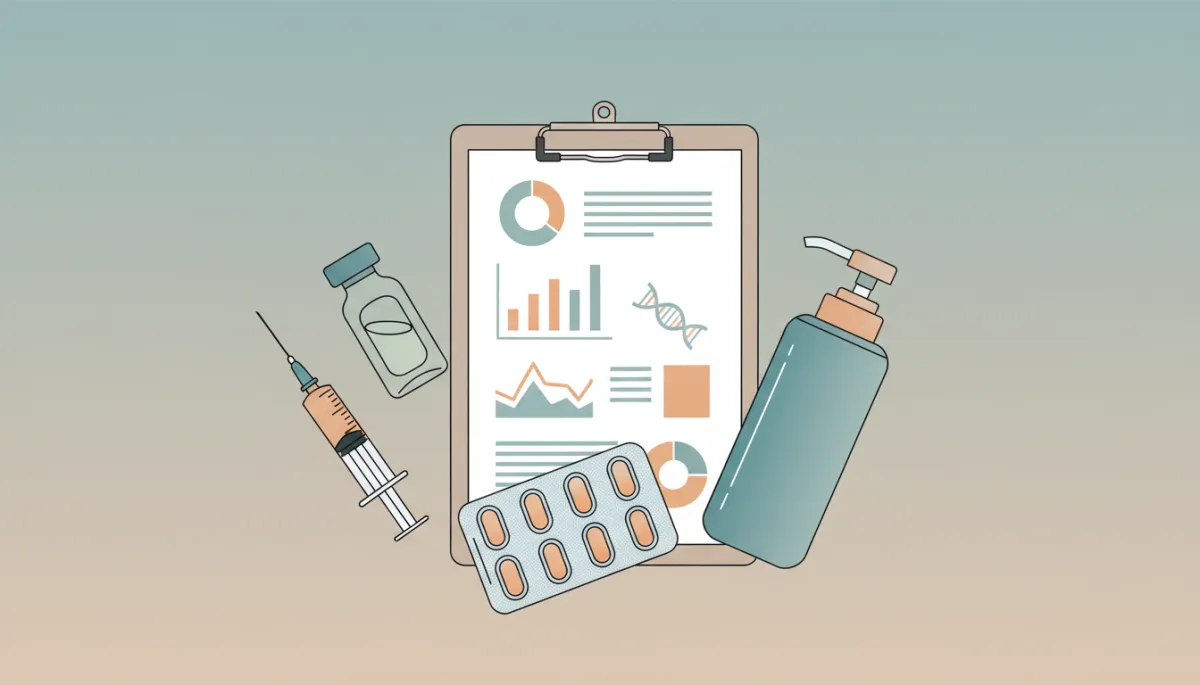
Choosing the right TRT method depends on lifestyle, preferences and medical history.
Is Testosterone Replacement Therapy Safe?
Safety is a common concern, especially around heart and prostate health. Fortunately, the evidence base in 2026 is more reassuring than ever for men treated to physiological levels under medical supervision.
A 2026 meta‑analysis of 41 randomised trials (over 11,000 men) found no significant increase in major cardiovascular events or prostate cancer with TRT compared to placebo (PubMed 41673435).
The landmark TRAVERSE trial similarly showed no rise in heart attacks or strokes in high‑risk men on TRT, leading the US FDA to remove its previous cardiovascular warning in 2025 (Scientific American, 2026).
Australian guidelines still emphasise careful screening and ongoing monitoring. Typical safety checks include:
Baseline PSA and prostate assessment (especially over 40), full blood count, lipids, liver and kidney function
Follow‑up bloods at 6–12 weeks, then every 3–6 months in year one, and every 6–12 months once stable, checking testosterone, oestradiol and haematocrit (BloodTrack Australia).
⚠️ Warning: High‑dose anabolic steroid misuse is a different story. Studies show a threefold increase in mortality and significant dependency risk at body‑building doses. Therapeutic TRT aims for normal levels, not supraphysiological extremes.
Natural Ways to Support Testosterone and Treatment Outcomes
Whether you are considering TRT or not, lifestyle remains the foundation of male hormone health. Research from large trials shows that body composition, glucose control and sexual desire improve most when testosterone therapy is combined with diet, exercise and sleep optimisation (ENDO 2026 T4DM sub‑study).
Prioritise 7–8 hours of quality sleep and screen for sleep apnoea if you snore or wake unrefreshed.
Lift weights or perform resistance training 2–4 times per week to stimulate testosterone and preserve lean mass.
Focus on whole‑food nutrition with adequate protein, healthy fats and minimal ultra‑processed foods and alcohol.
Manage stress through breathwork, mindfulness, time outdoors and realistic workload boundaries.
TRT, Fertility and Longevity: What to Consider
One important caveat: testosterone therapy can suppress your body’s own testosterone and sperm production. If you are planning children, your doctor may discuss alternatives such as clomiphene citrate or hCG‑based protocols that stimulate your own hormone production rather than replacing it directly.
When balanced correctly, optimised testosterone is associated with better metabolic health, improved cardiovascular risk markers, stronger bones and better quality of life into older age. More is not better, though: the goal is a personalised, sustainable range that supports long‑term health, not short‑term extremes.
Recommended Products to Complement Testosterone and Andropause Care
While no supplement can replace medically supervised TRT, the right products can support digestion, inflammation control, cardiovascular health and hormone balance alongside lifestyle changes. This broader foundation often makes men feel and perform better, whether or not they ultimately start hormone therapy.
Cardiovascular and circulation support: Enzyme‑based formulas and heart‑focused nutrients can help support healthy blood flow and vascular function, which is particularly relevant for men concerned about both erectile performance and long‑term heart health.
Digestive and gut support: Optimising gut health can improve nutrient absorption, inflammation and overall energy, all of which influence hormone balance and recovery from training.
Hormone and men’s health support: Targeted formulas for hormone balance, bone and joint health and immune support can round out a comprehensive andropause strategy.
We recommend exploring the range from Arthur Andrew Supplements , which includes evidence‑informed products for digestive health, heart and circulation, immune support and hormone balance. Their enzyme‑ and probiotic‑based formulations are designed to integrate with medical care and lifestyle changes, rather than replace them.
💡 Pro Tip: Always discuss new supplements with your healthcare provider, especially if you are on TRT, blood thinners or other prescription medications.
When to Consider a Testosterone Assessment
It may be time to speak with a practitioner about andropause and TRT if you notice:
Ongoing fatigue, low mood or brain fog that does not match your lifestyle
Persistent low libido or erectile difficulties
Difficulty building or maintaining muscle despite training and adequate protein
Increased abdominal fat and worsening metabolic markers such as blood sugar or cholesterol
A comprehensive hormone assessment, combined with a review of sleep, stress, nutrition and existing medications, can help identify whether testosterone deficiency is part of the picture and which treatment pathway is safest for you.
The Bottom Line
Andropause is common but often overlooked. The good news is that there are now clear, evidence‑based pathways in Australia for testing, safe testosterone replacement therapy and long‑term monitoring. When combined with lifestyle upgrades and strategic supplementation, many men are able to regain their energy, strength, libido and mental sharpness well into later life.
If you recognise yourself in the symptoms described here, consider booking a consultation with a practitioner experienced in male hormone optimisation to explore whether TRT, lifestyle changes, or both are right for you.
📌 Next Step – Book Your Functional Medicine Consult at Omics Health: If you are concerned about your testosterone levels or wondering whether andropause is affecting your energy, mood or performance, the most important first step is a comprehensive functional medicine consultation at Omics Health. A personalised assessment can help you understand your hormones in the context of sleep, stress, nutrition, genetics and long‑term disease risk, and map out a safe, step‑by‑step plan before starting (or ruling out) testosterone therapy.
Book online here: https://omicslongevity.com.au/functional-medicine-consults