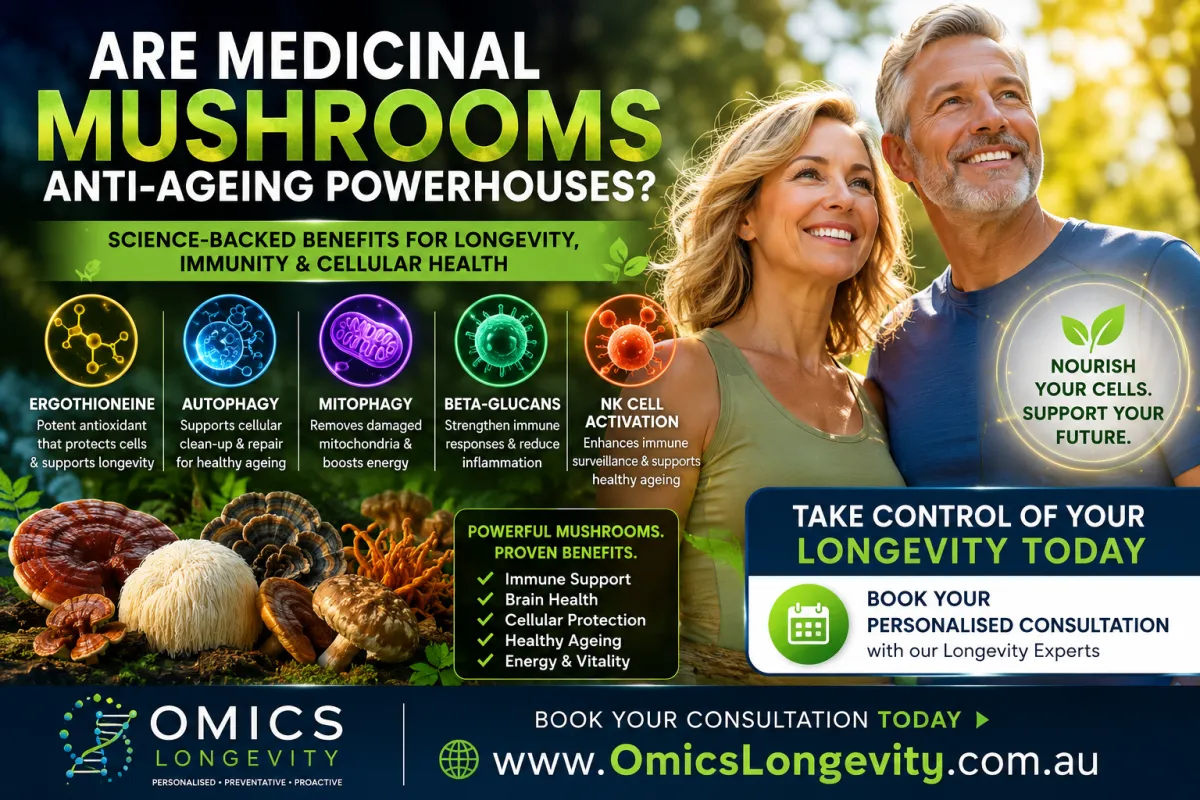
The Science of Medicinal Mushrooms for Longevity
Longevity, Medicinal Mushrooms, Healthy Ageing
The Science of Medicinal Mushrooms: How Fungi Support Healthy Ageing
Medicinal mushrooms have moved from ancient apothecaries into modern longevity clinics, biohacker routines, and evidence-based wellness programs. At Omics Longevity, we are particularly interested in how these complex fungi intersect with genomics, immune function, and cellular resilience to support healthy ageing. In this in-depth guide, we explore the science behind medicinal mushrooms and their potential role in extending healthspan, not just lifespan.
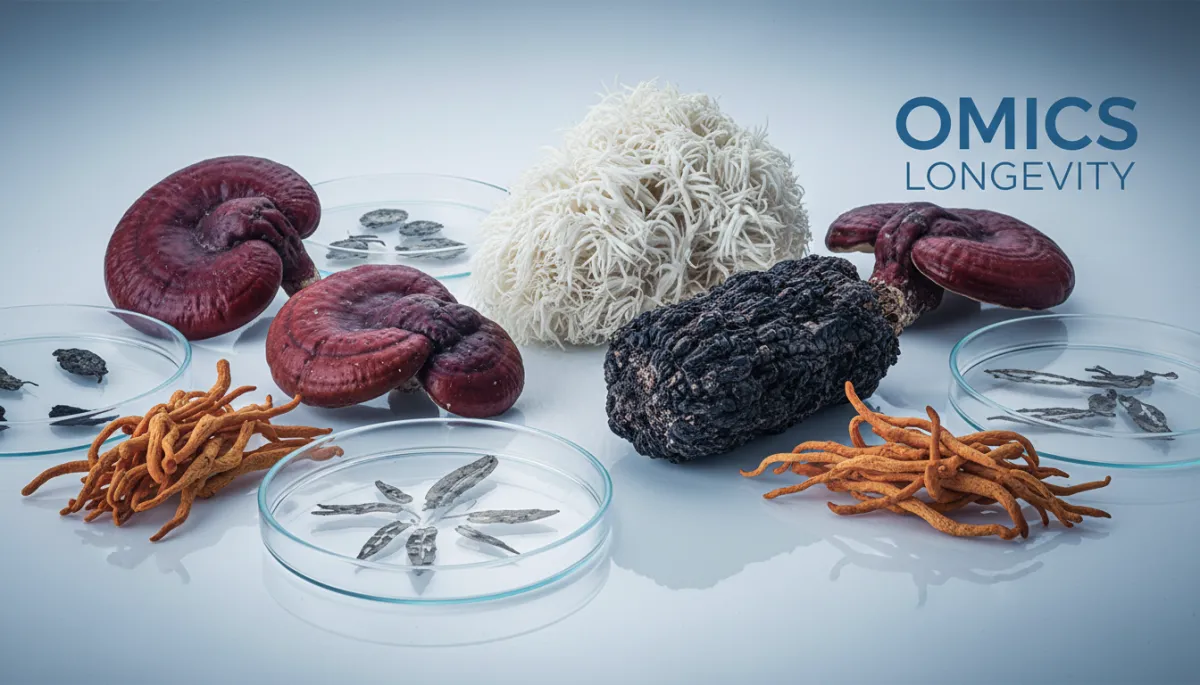
Medicinal Mushrooms for Healthy Ageing
Exploring the science behind fungi and longevity
Why Medicinal Mushrooms Matter for Modern Longevity
For thousands of years, traditional medical systems in Asia and Europe have used fungi like reishi and cordyceps to promote vitality, resilience, and recovery. Today, advances in biochemistry, immunology, and systems biology are beginning to explain why. Medicinal mushrooms are rich in bioactive compounds that interact with multiple pathways involved in inflammation, oxidative stress, immune function, and metabolic health — all core pillars of healthy ageing.
At Omics Longevity, we view medicinal mushrooms not as miracle cures, but as adjunctive tools that may complement DNA-driven protocols, nutrition, exercise, sleep optimisation, and AI-guided habit coaching. Their real potential lies in their ability to gently modulate multiple systems at once, aligning well with the complex, multi-factor nature of ageing itself.
📌 Key Takeaway: Medicinal mushrooms are multi-target, systems-level modulators — a good fit for the complex biology of ageing.
The Biology of Ageing: Where Mushrooms Can Make a Difference
To understand the role in healthy ageing that medicinal mushrooms might play, it helps to briefly review what drives ageing at the cellular and systemic level. Modern geroscience describes several interconnected “hallmarks” of ageing, including:
Chronic, low-grade inflammation (“inflammageing”)
Oxidative stress and accumulation of cellular damage
Mitochondrial dysfunction and reduced energy production
Impaired immune surveillance and immune senescence
Dysregulated nutrient sensing and metabolic imbalance
Many of the better-studied medicinal mushrooms contain compounds that interact with these hallmarks. Rather than acting like a single-target pharmaceutical drug, they behave more like biological “orchestrators”, nudging multiple pathways back toward balance. This is particularly relevant for high-performing individuals who want to preserve cognitive clarity, physical capacity, and emotional resilience well into later decades of life.
The Core Science Behind Medicinal Mushrooms
1. Beta-Glucans and Immune Modulation
One of the most important classes of compounds in medicinal mushrooms are beta-glucans — complex polysaccharides found in the fungal cell wall. These molecules are recognised by pattern-recognition receptors on immune cells, such as dectin-1 and toll-like receptors. When beta-glucans bind to these receptors, they can modulate innate and adaptive immune responses, enhancing the body’s capacity for surveillance and repair without chronically overstimulating it.
From a healthy ageing perspective, this is significant. Ageing immune systems are often both overactive (driving inflammation) and under-responsive (reduced ability to respond to new threats). By helping to normalise immune activity, mushroom-derived beta-glucans may support better defence against infections, improved tissue repair, and potentially better recognition of abnormal cells, all of which matter for long-term healthspan.
2. Antioxidant and Anti-Inflammatory Compounds
Many medicinal mushrooms are rich in phenolic compounds, triterpenes, and other molecules that act as antioxidants and anti-inflammatory agents. Reishi (Ganoderma lucidum), for example, contains ganoderic acids and related triterpenoids; chaga (Inonotus obliquus) is known for its phenolic content and melanin-like pigments; cordyceps species contain cordycepin and adenosine derivatives that influence inflammatory signalling pathways.
Oxidative stress and chronic inflammation accelerate damage to DNA, proteins, and lipids, contributing to age-related decline across tissues — from the brain and cardiovascular system to skin and joints. By dampening excessive inflammatory signalling and neutralising reactive oxygen species, mushroom compounds can help create a more favourable internal environment for long-term cellular health.

Modern analytical tools are revealing how mushroom compounds influence key ageing pathways.
3. Effects on Mitochondria and Cellular Energy
Mitochondria — the cell’s energy generators — are central to the biology of ageing. As we age, mitochondrial efficiency tends to decline, leading to reduced energy availability and increased production of damaging free radicals. Several medicinal mushrooms, particularly cordyceps, have been studied for their effects on cellular energy metabolism. Cordycepin and related nucleoside analogues may influence ATP production and support more efficient oxygen utilisation, which could translate into improved endurance and resilience.
For high-performing individuals balancing demanding careers, training, and family life, maintaining robust mitochondrial function is a cornerstone of sustainable performance. When integrated with targeted nutrition, exercise, and sleep strategies, mushroom-based support for mitochondrial health may help preserve energy levels and recovery capacity across the decades.
4. Neuroprotective and Cognitive Support Mechanisms
Cognitive health is a central focus of healthy ageing. Lion’s mane (Hericium erinaceus) is perhaps the most researched mushroom for brain support. It contains compounds known as hericenones and erinacines, which have been shown in preclinical studies to stimulate nerve growth factor (NGF) synthesis and support neuronal survival. This has led to growing interest in lion’s mane for maintaining memory, focus, and overall brain resilience with age.
While human data are still emerging, early trials suggest potential benefits for mild cognitive impairment and mood support. From a personalised longevity perspective, this makes lion’s mane a candidate for targeted cognitive support protocols, especially when combined with data from DNA, microbiome, and lifestyle assessments that highlight individual brain health risks.
Key Medicinal Mushrooms for Healthy Ageing
Reishi: The “Mushroom of Immortality”
Reishi has been revered in East Asian traditions for promoting calm, resilience, and longevity. Modern research highlights its rich content of triterpenes and polysaccharides with immunomodulatory, anti-inflammatory, and antioxidant properties. Reishi appears to influence stress pathways, including the hypothalamic–pituitary–adrenal (HPA) axis, which may explain its traditional use for supporting sleep and emotional balance — both crucial for healthy ageing.
For high-achieving individuals who operate under chronic stress, reishi may help buffer the physiological impact of that stress, supporting cardiovascular health, immune balance, and restorative sleep. In a personalised protocol, it might be paired with breathing practices, sleep hygiene strategies, and AI-guided stress-management coaching for a synergistic effect.
Lion’s Mane: Cognitive Clarity and Nerve Support
Lion’s mane’s potential to stimulate nerve growth factor and support neuronal health makes it particularly interesting for those who want to preserve cognitive performance over time. Some small human trials have reported improvements in cognitive function in older adults with mild impairment when taking lion’s mane extracts. Its potential neuroprotective actions, combined with anti-inflammatory and antioxidant effects, align well with a long-term brain health strategy that also includes sleep optimisation, metabolic control, and cognitively stimulating activities.
Cordyceps: Energy, Endurance, and Oxygen Utilisation
Cordyceps has a long history of use for enhancing stamina and physical performance. Modern studies suggest it may improve oxygen utilisation and support ATP production, which can translate into better exercise capacity and recovery. From a healthy ageing perspective, this is about much more than athletic performance; it is about preserving the ability to move, climb stairs, travel, and remain physically engaged with life as the years progress.
In a personalised longevity program, cordyceps might be considered for individuals aiming to maintain or rebuild cardiorespiratory fitness, especially when exercise testing, wearable data, and genetic markers indicate a higher risk of age-related decline in aerobic capacity.
Chaga: Cellular Defence and Antioxidant Support
Chaga is particularly notable for its high antioxidant capacity, driven by phenolic compounds and melanin-like pigments. It has been studied for its potential to reduce oxidative damage and modulate inflammatory pathways. While more human research is needed, chaga’s biochemical profile makes it a candidate for supporting cellular defence systems, especially in environments with high oxidative stress from pollution, intense training, or metabolic imbalance.
From Tradition to Evidence: What the Research Actually Shows
While enthusiasm around medicinal mushrooms is high, it is important to align with Omics Longevity’s value of science-backed protocols. Much of the research to date is preclinical — using cell cultures or animal models. These studies are valuable for understanding mechanisms, but they do not guarantee the same effects in humans at typical supplemental doses. Human trials are growing but remain relatively small and heterogeneous in design, dosage, and mushroom preparation.
Nonetheless, patterns are emerging: improved markers of immune function, modest improvements in exercise performance, enhanced subjective wellbeing, and potential benefits for mild cognitive issues in some studies. The current state of evidence supports the use of medicinal mushrooms as adjunctive tools within a broader longevity framework, rather than as stand-alone solutions. This matches the integrative, personalised approach that defines Omics Longevity’s philosophy.
💡 Pro Tip: When evaluating mushroom products, look for standardised extracts, clear beta-glucan content, and third-party testing rather than vague marketing claims.
Personalisation: Matching Mushrooms to Your Biology and Goals
Not everyone will respond to medicinal mushrooms in the same way. Genetics, microbiome composition, existing health conditions, medications, and lifestyle patterns all influence how your body interacts with bioactive compounds. This is where a personalised, DNA-driven approach becomes essential for high performers who want precision rather than guesswork.
Individuals with genetic variants linked to higher inflammation might benefit more from reishi or chaga as part of an anti-inflammatory protocol.
Those with markers associated with cognitive decline risk may be better candidates for lion’s mane within a comprehensive brain health plan.
Athletically inclined individuals or those working to maintain VO₂ max with age may respond well to cordyceps, alongside structured training and recovery strategies.
At Omics Longevity, AI-driven coaching can integrate data from DNA, bloodwork, wearables, and lifestyle patterns to determine where medicinal mushrooms might add genuine value — and where other interventions should be prioritised instead. This reduces trial-and-error and keeps your protocol grounded in your unique biology and goals.
Practical Integration: How High Performers Can Use Medicinal Mushrooms Safely
Forms, Dosages, and Quality Considerations
Medicinal mushrooms are available as whole dried mushrooms, powders, capsules, and liquid extracts. From a clinical perspective, standardised extracts with known beta-glucan or triterpene content are often preferred, as they provide more consistent dosing and more closely match the preparations used in research. Quality matters: mushrooms can accumulate heavy metals and other contaminants from their environment, so third-party testing is non-negotiable in a science-driven protocol.
Dosages vary widely depending on the mushroom type, extract strength, and intended purpose. For example, lion’s mane cognitive support protocols often use 500–3,000 mg per day of extract, while reishi protocols for sleep and stress may focus on evening dosing. A personalised plan should consider your body weight, liver function, medications, and clinical goals, rather than relying on generic label instructions.
Timing and Stacking with Other Interventions
Mushrooms can be strategically timed to align with circadian rhythms and daily demands. For instance, lion’s mane and cordyceps are often taken earlier in the day to support focus and energy, while reishi may be better suited to evening routines to encourage relaxation and sleep. In the context of a broader longevity stack, mushrooms might be combined with omega-3 fatty acids, polyphenol-rich botanicals, or specific micronutrients, depending on your personalised protocol.
⚠️ Warning: Medicinal mushrooms can interact with medications (especially immunosuppressants, anticoagulants, and certain chemotherapies). Always consult a qualified clinician before adding them to your regimen.
Safety, Contraindications, and Realistic Expectations
For most healthy adults, medicinal mushrooms are well tolerated when used at appropriate doses. Mild digestive upset or allergic reactions can occur, particularly in those with existing mould or mushroom sensitivities. People with autoimmune conditions, those on immunosuppressive therapy, or individuals with complex medical histories should only use medicinal mushrooms under professional guidance, as immune-modulating effects may not always be desirable in these contexts.
It is also essential to maintain realistic expectations. Medicinal mushrooms are not substitutes for foundational longevity practices such as exercise, sleep, nutrition, stress management, and social connection. Instead, they are amplifiers — tools that may enhance the benefits of a well-designed lifestyle and medical plan. This perspective aligns closely with Omics Longevity’s commitment to integrative care grounded in both data and practical, sustainable behaviour change.
How Omics Longevity Integrates Medicinal Mushrooms into Precision Longevity Plans
Within our personalised programs, medicinal mushrooms are considered only after we have a clear picture of your biology and your goals. Using DNA diagnostics, advanced blood panels, and AI-driven pattern recognition, we identify key leverage points: immune resilience, inflammatory load, cognitive risk, mitochondrial function, and more. If mushrooms are likely to offer meaningful benefit, they are incorporated as part of a structured, monitored protocol, never as a stand-alone “hack.”
Assessment: Evaluate genetics, biomarkers, lifestyle, and current supplements or medications to determine suitability and priorities.
Selection: Choose specific mushrooms (e.g., reishi, lion’s mane, cordyceps, chaga) aligned with your unique profile and objectives.
Integration: Time dosing around your circadian rhythm, training schedule, and cognitive demands, while coordinating with nutrition and other supplements.
Monitoring: Track changes in subjective wellbeing, performance metrics, and relevant biomarkers through AI-guided check-ins and follow-up testing.
This structured approach respects both the promise and the limitations of medicinal mushrooms, ensuring they are used in a way that is safe, evidence-informed, and aligned with your long-term vision for healthy ageing.
Bringing It All Together: Medicinal Mushrooms as Allies in Healthy Ageing
The emerging science behind medicinal mushrooms paints a compelling picture: these ancient organisms contain sophisticated bioactive compounds capable of influencing multiple hallmarks of ageing — from inflammation and oxidative stress to immune balance, mitochondrial function, and neuroprotection. While they are not magic bullets, they can be valuable allies in a comprehensive, personalised strategy to extend healthspan and preserve performance over time.
For high performers, the real opportunity lies not in chasing the latest supplement trend, but in integrating medicinal mushrooms thoughtfully into a data-driven protocol. When combined with DNA diagnostics, AI-guided coaching, and functional medicine oversight, mushrooms can support the resilience, clarity, and vitality required to thrive in demanding careers and rich personal lives — not just today, but decades from now.
📌 Key Takeaway: Medicinal mushrooms are most powerful when used as part of a personalised, science-based longevity strategy rather than as isolated supplements.
Take the Next Step in Your Longevity Journey

CLICK HERE TO VISIT OUR ONLINE STORE
If you are curious about how medicinal mushrooms might fit into your own healthy ageing strategy, the most effective starting point is a clear, personalised map of your biology. At Omics Longevity, we combine DNA diagnostics, advanced lab testing, and AI-driven insights to design longevity plans that go far beyond generic advice or one-size-fits-all supplement lists.
Together, we can determine whether reishi, lion’s mane, cordyceps, chaga, or other evidence-informed interventions make sense for your unique profile — and how to integrate them safely and effectively into a broader strategy aimed at extending your healthspan, protecting your performance, and redefining what ageing can look like.
Schedule Your Consultation here: https://omicslongevity.com.au/booking-form to begin your personalised longevity journey with Omics Longevity and explore how science-backed tools, including medicinal mushrooms, can support a longer, healthier, more vibrant life.